General Frequently Asked Questions
We offer trekking, hiking, Peak climbing, Expedition,cultural tours, and customized adventure packages across Nepal.
You can book a trip by contacting us through our website, email, or phone. A booking is confirmed after receiving a deposit and official confirmation from our team
Not always. Many of our treks are suitable for beginners, while some require moderate to advanced fitness levels. We will help you choose the right trek based on your experience.
Our packages may include:
- Guide and porter services
- Accommodation during the trek
- Meals (as per package)
- Permits and entry fees (if included in package)
Generally not included:
- International flights
- Nepal visa fees
- Personal expenses
- Travel insurance
- Tips for guides and porters
we strongly recommend all clients have travel insurance covering medical emergencies, accidents, and trip cancellations.
The best seasons are:
- Spring (March–May)
- Autumn (September–November)
These seasons offer clear skies and stable weather.
We offer treks ranging from easy to challenging. You can choose based on your fitness level and interest.
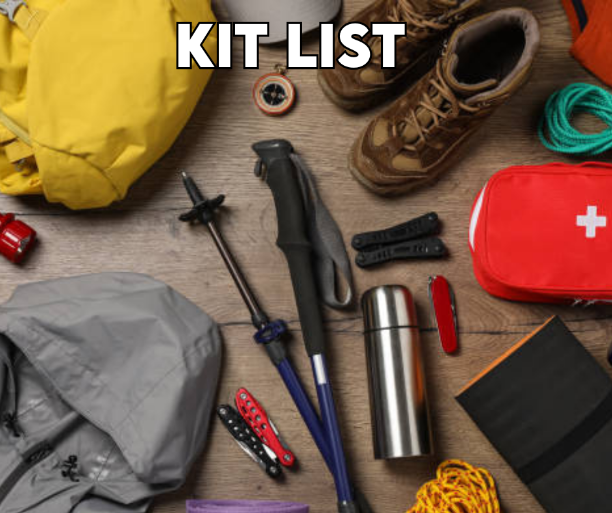
Basic essentials include:
- Warm clothing
- Trekking shoes
- Rain jacket
- Personal medicines
- Backpack and water bottle
We will provide a full packing list after booking.
Yes, we specialize in customized trekking and travel packages based on your needs, time, and budget.
Our guides are trained for emergencies. We prioritize safety and will take immediate action, including evacuation if necessary
You can contact us via:
- Website contact form
- Phone / WhatsApp
Everest Base Camp Trek
The trek is graded as moderate to challenging. You don’t need technical climbing skills, but you do need solid physical endurance. You will be walking on rocky, uneven terrain for 5 to 7 hours a day at high altitudes.
Our standard, safety-first itinerary is 14 days. This includes the flight to Lukla and two mandatory acclimatization days to ensure your body adjusts properly to the altitude.
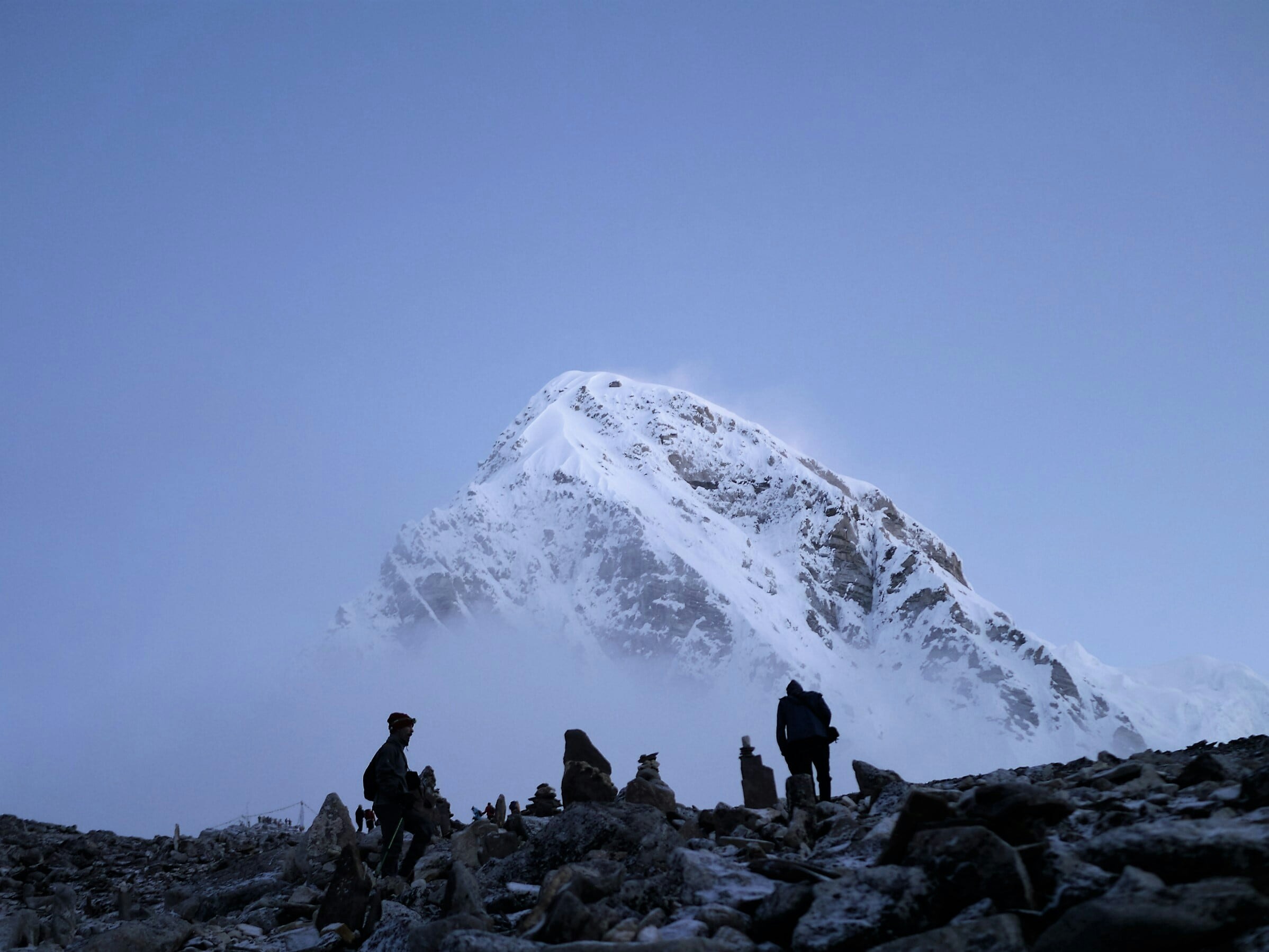
While Base Camp sits at 5,364m, we typically hike to the top of Kala Patthar (5,545m) for the most spectacular sunrise view of Mt. Everest, Lhotse, and Nuptse
Our guides are trained to monitor your oxygen levels and heart rate daily. If you show symptoms of AMS, the primary protocol is to descend. In serious cases, we coordinate immediate helicopter evacuation.
Yes. You must have insurance that specifically covers emergency helicopter evacuation and medical expenses up to 6,000 meters.
We advise against drinking tap or stream water. You should use water purification tablets, a LifeStraw, or buy boiled water at the teahouses.
A heavy down jacket (rated for -15°C).
Waterproof trekking boots (well broken-in).
Thermal base layers and moisture-wicking shirts.
A 4-season sleeping bag.
Personal medical kit and sun protection.
The weight limit is strictly 15kg (33 lbs) per person, which includes your main duffel bag and your daypack.
Yes, most teahouses offer charging stations and Wi-Fi (via Everest Link) for a small fee. However, service can be intermittent due to weather and altitude.
You will eat primarily at teahouses. The most popular and sustained energy source is Dal Bhat (lentils, rice, and vegetable curry). You can also find pasta, potatoes, eggs, and pancakes. We recommend staying on a vegetarian diet during the trek to avoid foodborne illness from meat transported up-mountain.
We stay in local teahouses. These are twin-share rooms with basic wooden beds and mattresses. While simple, they provide a warm, communal atmosphere and a roof over your head.
Most treks begin with a flight from Kathmandu or Manthali (Ramechhap) to Lukla. Summitlaya Adventure handles all flight logistics and airport transfers for you.
Most nationalities can obtain a Visa on Arrival at Tribhuvan International Airport in Kathmandu. Ensure your passport is valid for at least six months