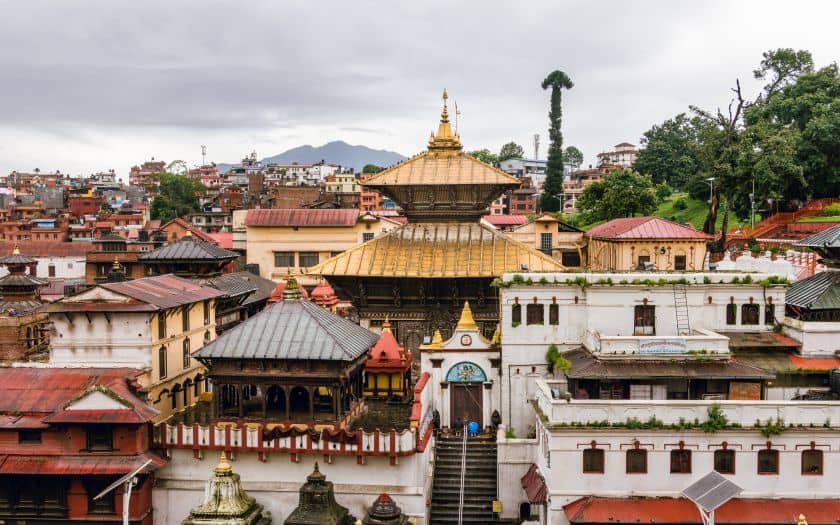
Pasupathinath
EventThe Pashupatinath Temple, a UNESCO World Heritage site in Kathmandu, is the heart of several major spiritual and cultural events throughout the year.
Major Annual Festivals
Maha Shivaratri (The Great Night of Shiva): Usually occurring in February or March, this is the most significant event at the temple. Hundreds of thousands of pilgrims and Sadhus (holy men) from Nepal and India gather to worship through the night. The complex is filled with oil lamps, chanting, and a massive presence of Naga Babas (ash-smeared ascetics).
Teej (Women's Festival): In late August or September, thousands of Hindu women dressed in red sarees visit the temple to pray for the longevity of their husbands or for a good partner. The temple turns into a sea of red as women fast, sing, and dance.
Bala Chaturdashi: This festival, held in late November or early December, involves devotees scattering seven types of grains (Satbij) along the forested path of the temple complex in memory of deceased family members.
Janai Purnima: Celebrated in August, it is the day when Hindu men change their sacred threads (Janai) and thousands of people receive a protective yellow thread (Rakshya Bandhan) on their wrists from priests.
Daily & Recurring Rituals
Bagmati Ganga Aarati: Every evening at approximately 6:00 PM, a mesmerizing musical prayer (Aarati) takes place on the banks of the Bagmati River. Priests perform choreographed rituals with massive oil lamps while devotees sing bhajans and dance.
Ekadashi: Every fortnight on the 11th day of the lunar calendar, the temple sees an influx of devotees. The Harishayani Ekadashi (June/July) and Haribodhini Ekadashi (October/November) are particularly sacred.
Full Moon Concerts: At the nearby Kirateshwar Mahadev temple (within the Pashupati complex), classical music concerts are held every full moon evening, drawing music lovers and spiritual seekers alike.
Practical Tips for Visitors
Restricted Entry: The main temple inner sanctum is strictly for Hindus only. Non-Hindu visitors can observe the temple and rituals from the terraces across the Bagmati River.
Attire & Rules: Leather items (belts, shoes, bags) and cameras are forbidden inside the main temple area. Photography of the cremation ceremonies (Arya Ghat) is generally discouraged out of respect.
Wildlife: The area is famous for its monkeys. Keep food and shiny objects hidden as they can be quite aggressive.